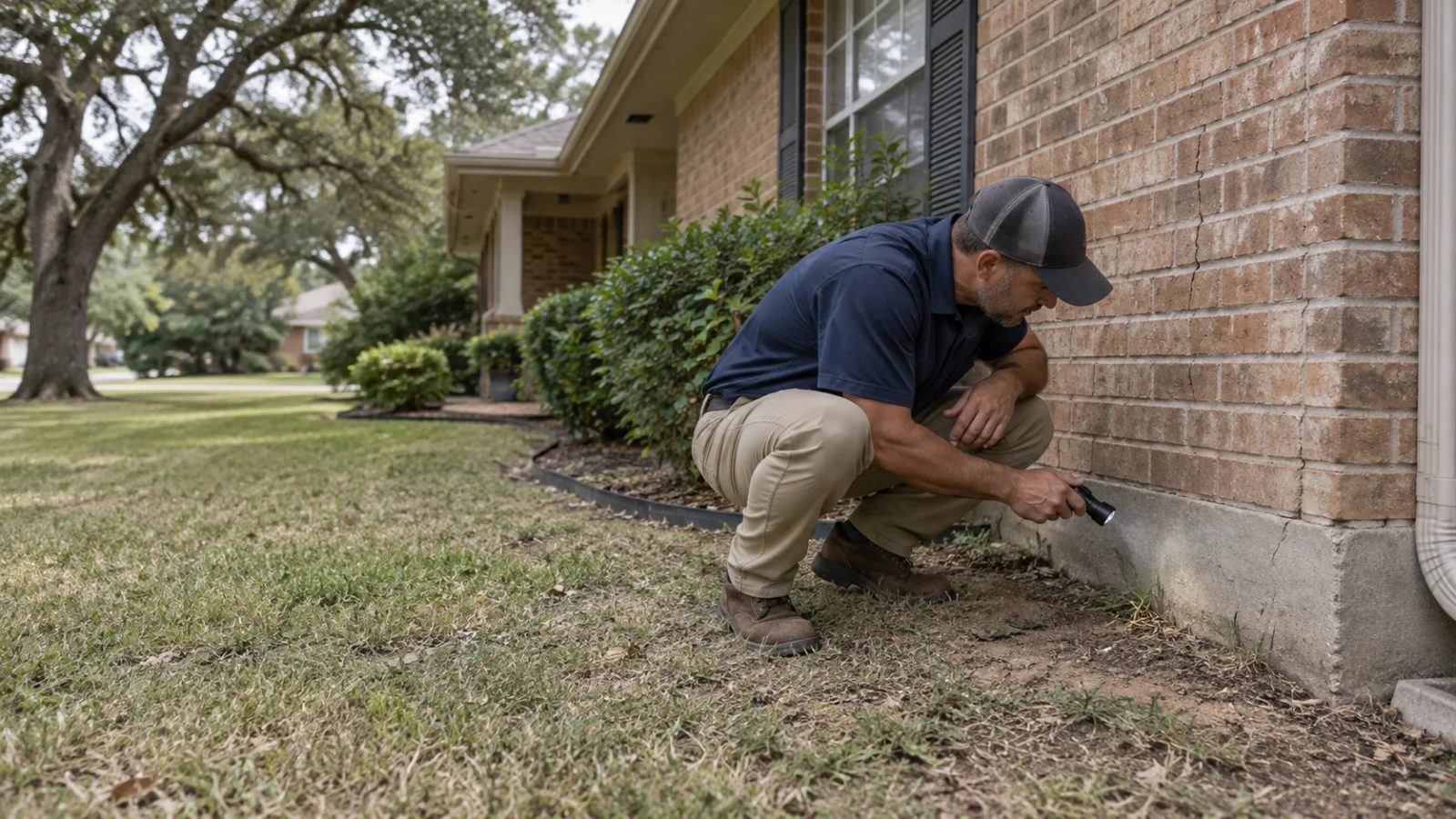
Foundation Repair in Seguin, Texas
Reliable Foundation Repair for Seguin Homes
Tell us what you are seeing and let us help you understand the next step. Get a Free Estimate
Foundation Repair in Seguin, Texas
Tell us what you are seeing and let us help you understand the next step. Get a Free Estimate
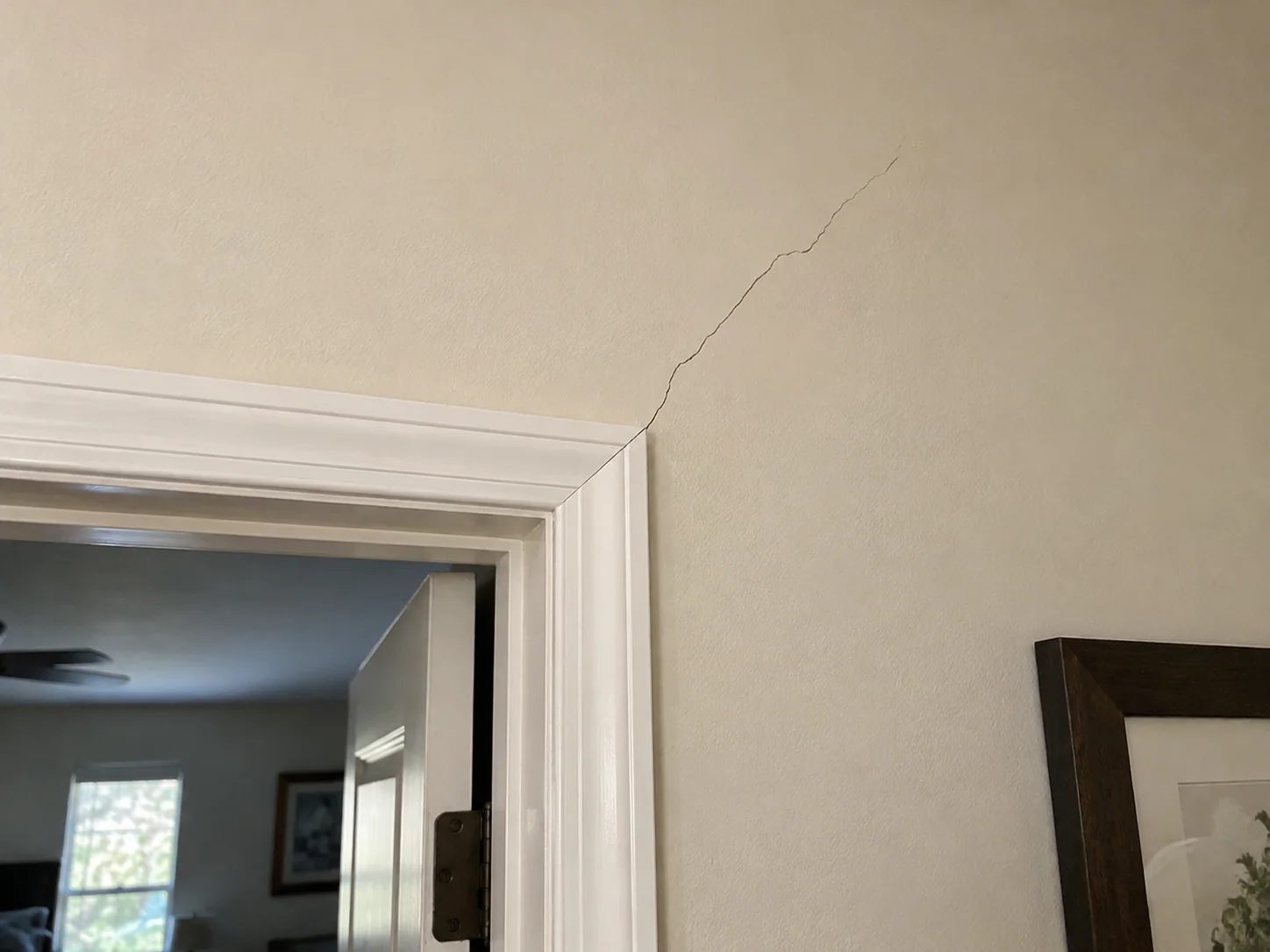
Foundation problems can start with something small: a crack that keeps growing, a door that suddenly sticks, a floor that feels uneven, or gaps that appear around windows and trim. In a Texas home, changes in soil moisture can put stress on the foundation over time. When those signs show up, getting the problem looked at early can help you make a more informed repair decision.
At Seguin Foundation Repair, we focus on practical foundation solutions for homeowners in Seguin and nearby communities. Our work includes slab foundation repair, foundation leveling, foundation pier installation, pier and beam foundation repair, and foundation settlement repair. We explain what we find in straightforward language so you can make decisions without feeling pressured.
Seguin Foundation Repair was built around a simple idea: foundation work should be explained clearly and approached carefully. Our founder, Mateo Ramirez, grew up around Seguin and developed an appreciation for the way Texas homes respond to changing ground conditions, weather, and age. That local connection shapes how we approach every property.
We believe homeowners deserve a clear explanation of the problem before discussing a repair. Our team takes time to understand the symptoms, look at the condition of the structure, and recommend a practical path forward. Whether the issue involves settlement, an uneven slab, or a pier and beam structure, we keep the conversation focused on the actual needs of the home.
Our foundation services address common structural concerns in Seguin, from uneven slabs and settlement to pier and beam problems. Each service is explained in detail below, along with what affects cost, how our process works, and answers to common questions.
Repair solutions for concrete slab foundations affected by cracking, movement, or settlement.
Learn more →Foundation leveling for homes affected by uneven areas, settlement, or changes in elevation.
Learn more →Foundation pier installation designed to provide structural support where a foundation needs additional stabilization.
Learn more →Repair for pier and beam homes affected by movement, uneven floors, support concerns, or structural changes.
Learn more →Foundation settlement repair for homes showing signs of sinking, movement, unevenness, or related structural changes.
Learn more →Many homes in Seguin and across Guadalupe County sit on a concrete slab. A slab is strong, but it is only as stable as the soil underneath it, and when that soil shifts, the slab and everything built on it can move with it.
Slab foundation problems rarely announce themselves all at once. More often, a homeowner notices a hairline crack in the drywall above a doorway, then a door that needs an extra push to latch, then a tile that cracks for no obvious reason. Each of those signs on its own may be minor. Together, and especially when they keep changing, they can point to a slab that has moved. Our slab foundation repair service starts by looking at the full pattern instead of reacting to one symptom.
Much of Central Texas has clay-rich soil that swells when it is wet and shrinks when it dries. A long dry summer followed by heavy rain can make the ground under one side of a home behave very differently from the ground under the other side. Drainage that sends water toward the house, plumbing leaks under the slab, and large trees near the foundation can make that uneven movement worse. Understanding which of these factors is involved helps determine whether the slab needs structural repair, better drainage, or both.
Slab repair is not one single method. Depending on what the evaluation shows, the work can involve supporting and lifting settled sections, stabilizing an area that is still moving, or addressing cracks once the underlying movement has been dealt with. Patching a crack without addressing why it formed usually means the crack comes back, so we focus on the cause first and the cosmetic symptoms second.
When piers are part of a slab repair, they are placed under the areas that need support and the slab is brought back toward a more consistent elevation where the structure allows. Some slabs need work along one side of the house only; others need support in several places. The scope depends on the home, not on a fixed package.
We start by listening to what you have noticed and when it started. We then look at the slab, the home above it, and the conditions around it, and we explain in plain language what we think is happening and what a sensible repair would be intended to accomplish. You get a clear picture of the work before deciding anything. You can read more on our slab foundation repair page, or request a free estimate and tell us what you are seeing.
Foundation settlement happens when part of a foundation moves downward relative to the rest of the structure. All houses settle slightly over time, but uneven settlement that keeps progressing is a structural concern that deserves a closer look.
Settlement is one of the most common reasons homeowners in Seguin, McQueeney, Marion, Geronimo, and New Berlin start looking into foundation repair. It tends to show up gradually. A corner of the house drops a little, the framing above it adjusts, and the home starts showing that stress in cracks, gaps, and doors that no longer fit their frames. Because the change is slow, it is easy to get used to it until the symptoms become hard to ignore.
Settlement is usually tied to the soil beneath the foundation. Clay soils that dry out and shrink can leave part of a foundation with less support. Soil that was not well compacted during construction can compress over the years. Poor drainage, long periods of drought, plumbing leaks, and the root systems of large trees can all change the moisture and support under one section of a home. Because the cause affects the repair, settlement repair should be based on what is actually happening under the house.
The goal of settlement repair is to stabilize the part of the foundation that has dropped and, where the structure allows, bring it back toward a more even position. In many cases, this involves transferring the weight of the affected area to more stable support below, often with a pier system, and then lifting or leveling what can safely be corrected. The number and placement of supports depend on how much of the foundation has moved and where.
Settlement repair also benefits from looking beyond the foundation itself. If drainage or a moisture problem contributed to the settlement, addressing it can help protect the repair and the rest of the home going forward.
We do not treat one crack as the whole story. Settlement can affect several parts of a home at once, so we look at the floors, walls, doors, exterior, and surrounding grade together before recommending any work. That helps keep the repair focused on what the house actually needs. Learn more on our foundation settlement repair page, or request a free estimate to talk through what you are seeing.
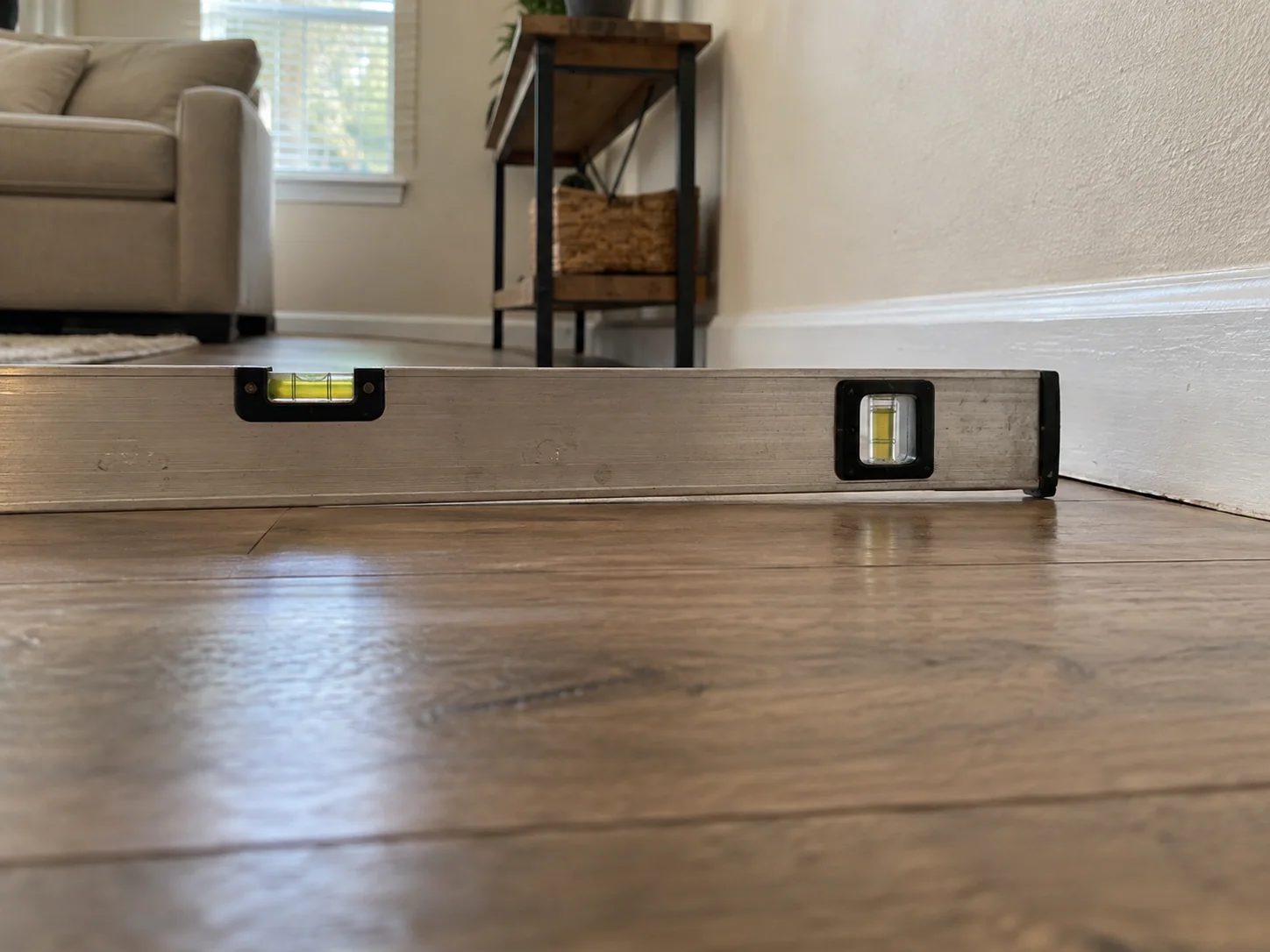
Foundation leveling addresses a foundation that is no longer sitting at a consistent elevation. It is not just about making a floor feel flat. It is about correcting the position of the foundation in a way the structure can tolerate and keeping it supported afterward.
When part of a foundation drops or heaves, the home above it has to absorb that change. Walls rack, doors bind, and floors develop a noticeable slope. Leveling is the work of bringing the affected areas back toward their intended elevation so the structure carries its weight more evenly again. It is often part of a larger repair plan that also includes settlement repair, pier installation, or pier and beam work.
The leveling approach depends heavily on the type of foundation. On a slab home, leveling usually involves supporting the settled areas from below and carefully raising them. On a pier and beam home, leveling can involve adjusting or adding supports, shimming, or correcting beams so the floor system sits evenly again. Each method has limits, and part of a good evaluation is explaining how much correction is realistic for the specific house.
A house that has been out of level for years has adjusted to that position. Raising it too quickly or too far can create new stress in walls, finishes, and plumbing. A careful leveling plan considers how the home has moved, what can safely be corrected, and how the foundation will be supported once the work is complete. That is why we explain the expected outcome before any work begins, including what leveling is and is not likely to fix.
Leveling corrects elevation, but it does not change the soil. If moisture, drainage, or poorly supported areas caused the movement, those conditions need attention too, or the foundation can move again. We look at the whole picture so the leveling work has the best chance of lasting.
Leveling is often combined with other services on this page. A settled corner may need piers before it can be raised, and a pier and beam home may need new supports before the floor can be brought back to level. We explain how the pieces fit together so you understand the full scope, not just one step of it.
Uneven floors can have more than one cause, and not every slope needs major work. We will tell you what we see, how it relates to the foundation, and what a leveling project would be intended to accomplish. Read more on our foundation leveling page, or request a free estimate.
Foundation piers carry the weight of a structure down past the unstable surface soil to deeper, more stable support. When part of a foundation needs additional support or stabilization, pier installation is often a central part of the repair.
Piers are one of the most common tools in residential foundation repair because they deal directly with the problem many Central Texas homes face: soil near the surface that swells, shrinks, and shifts with the seasons. By supporting the foundation on piers, the weight of the home relies less on that changing upper layer of soil. Pier installation can be used to stabilize an area that is still moving, to support a section that has settled, and to provide the support needed for leveling.
Several pier systems are used in residential foundation repair, including pressed concrete piers, steel push piers, helical piers, and drilled concrete piers. Each has strengths and limitations depending on the soil, the weight of the structure, access around the home, and the kind of movement involved. There is no single best pier for every house. The right choice depends on the property, and we explain why a particular approach fits your home rather than recommending the same system for every job.
In general terms, pier installation involves accessing the foundation at the locations that need support, installing piers down to a suitable depth or resistance, and transferring the load of the foundation onto them. Where leveling is part of the plan, the foundation is then adjusted toward a more even elevation and secured. Afterward, the excavated areas are backfilled and the work area is cleaned up. The number of piers, their spacing, and their placement are determined by the structure and the extent of the problem.
More piers are not automatically better, and too few in the wrong place will not solve the problem. A pier plan should match where the foundation actually needs support. That is why we focus on understanding the pattern of movement before recommending how many piers a home may need and where they should go.
We explain where support is needed, what the installation is intended to accomplish, and what you can expect during the project. Learn more on our foundation pier installation page, or request a free estimate.
Many older homes in Seguin and the surrounding communities are built on pier and beam foundations, with a crawl space under the floor. These homes move and show problems differently from slab homes, so they need a repair approach built around their support system.
A pier and beam foundation holds the house up on a series of piers or blocks that support beams, which in turn carry the floor joists and the floor above. Because the floor is raised and there is open space underneath, pier and beam homes can be easier to inspect and adjust than slabs in some respects. But they also have more individual parts, and when one of those parts shifts, sinks, or deteriorates, the floor above lets you know.
The same clay soil movement that affects slabs also affects the ground under individual piers. Moisture in the crawl space, poor ventilation, and drainage that directs water under the house can weaken wood components and soften the soil supporting the piers. Over time, original supports can settle unevenly, and previous repairs made with temporary shims or undersized supports may no longer hold the floor where it belongs.
Pier and beam repair focuses on restoring proper support to the floor system. Depending on what the evaluation finds, that can include re-shimming and adjusting existing supports, adding new supports where spacing is too wide, replacing failed piers, and addressing damaged beams or joists so the structure can be brought back toward level. Because each support affects its neighbors, the work is planned across the whole crawl space rather than one spot at a time.
A soft spot in the floor might be a support problem, a framing problem, or both. We look at the piers, beams, joists, and crawl space conditions together so the repair addresses the real cause instead of only lifting the low spot. Where moisture or ventilation is part of the problem, we will point that out too, because it affects how long the repair lasts.
If your home has a crawl space, a few things are worth noting before you reach out: standing water or damp soil under the house, a musty smell, supports that are leaning or cracked, and wood that looks dark, soft, or damaged. You do not need to crawl under the house yourself, but anything you have already noticed helps us understand the situation faster.
Pier and beam homes need a different conversation than slab homes, and we keep that distinction at the center of every recommendation. Read more on our pier and beam foundation repair page, or request a free estimate.
There is no honest one-size-fits-all price for foundation repair. Two homes on the same street can need very different work, so we price each project after we understand the property, and the estimate is free.
| Service | Main factors that affect the cost | Price |
|---|---|---|
| Slab foundation repair | Size of the affected area, extent of movement, number of support points needed, access around the slab | Free estimate |
| Foundation settlement repair | How far and where the foundation has settled, support required, whether lifting is part of the plan | Free estimate |
| Foundation leveling | Foundation type, how far out of level the home is, how much correction the structure can tolerate | Free estimate |
| Foundation pier installation | Number of piers, type of pier system, soil conditions, depth to stable support, access for equipment | Free estimate |
| Pier and beam foundation repair | Crawl space access, number of supports to adjust or add, condition of beams and joists, moisture issues | Free estimate |
Rather than relying on a generic price range from the internet, start with an assessment of your home. Request a free estimate and we will explain what the repair involves and what it is intended to accomplish before you decide anything.
Foundation repair should never feel like a mystery. Here is how a project with Seguin Foundation Repair typically moves from first contact to finished work.
Use our free estimate form or email us. Describe the cracks, uneven floors, sticking doors, or other changes you have noticed, and when they started. Photos help if you have them.
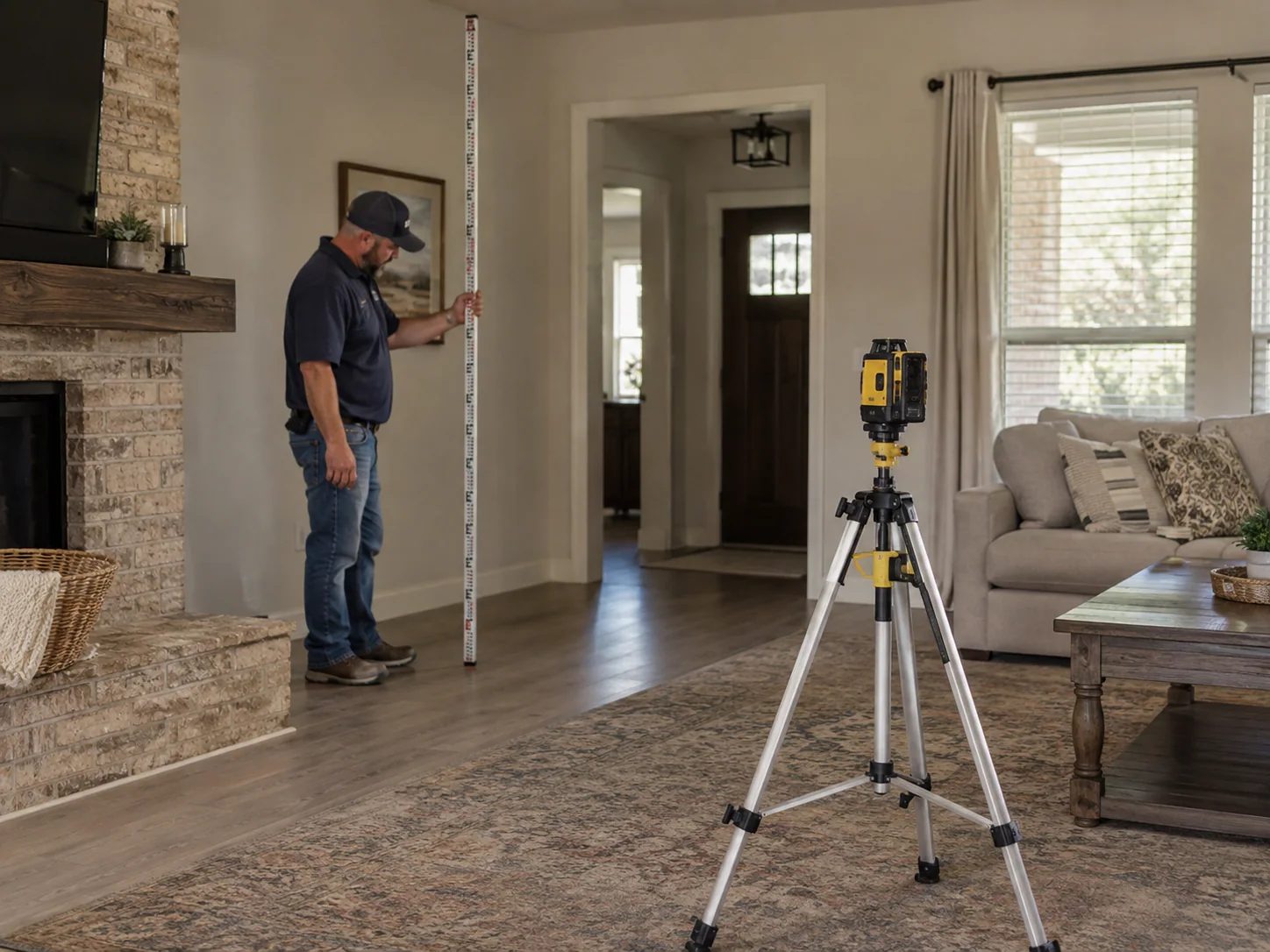
We look at the foundation, the home above it, and the conditions around it, including drainage and grade. On pier and beam homes, that includes the supports, beams, and crawl space.
We explain what we think is causing the problem, which areas are affected, and which of our services fits the situation, whether that is slab repair, settlement repair, leveling, pier installation, or pier and beam repair.
You receive a clear estimate that outlines the proposed scope of work and what it is intended to accomplish. There is no pressure to decide on the spot.
Once you decide to move forward, we schedule the work and explain what to expect, including access needs and how the work area will be protected.
Our team completes the repair according to the plan, whether that means installing piers, lifting and leveling, or restoring support under a pier and beam home.
We clean up the work area, walk through the completed repair with you, and share practical tips, such as keeping water draining away from the foundation, to help protect the home going forward.
We serve homeowners throughout Seguin and the surrounding communities of McQueeney, Marion, Geronimo, and New Berlin. These nearby areas share many of the soil, weather, and construction considerations that make foundation maintenance important across Central Texas.
If you are seeing cracks, sloping floors, sticking doors, separation around trim, or other changes in your home, start with a conversation about what you are noticing. We can help you understand which foundation repair service may fit the situation.
We explain foundation concerns in plain language and focus on what the homeowner actually needs to know before making a repair decision.
Our connection to Seguin gives us a practical appreciation for local homes, Texas weather, and the ground conditions that can affect foundations.
Foundation repair is our focus, so our services are centered on structural concerns such as settlement, leveling, slabs, piers, and pier and beam systems.
We approach each property as its own project rather than assuming every crack or uneven area has the same cause.
Common warning signs include growing wall cracks, sticking doors, uneven floors, gaps around windows or trim, and visible separation in parts of the structure. One sign does not automatically mean major foundation damage, so the pattern and progression matter.
Changes in soil moisture are one common factor. Texas weather can bring periods of heavy rain followed by dry conditions, and that repeated change can contribute to soil movement around a foundation.
Many slab foundation problems can be addressed with an appropriate repair method, but the right solution depends on why the slab has moved or cracked. A proper evaluation should come before deciding what repair is necessary.
There is no single price because foundation repairs vary by the type of structure, extent of movement, access, and repair method. We recommend discussing the specific condition of the property before relying on a generic price range. Our estimates are free.
Settlement is the problem: part of the foundation has moved downward. Leveling is one way of correcting it, by bringing the affected area back toward a consistent elevation. Settlement repair usually also involves stabilizing the area so it is supported going forward.
Not always. Piers are a common way to support and stabilize a foundation, but whether they are needed, and how many, depends on the type of foundation and the pattern of movement. We explain why piers are or are not part of the recommendation for your home.
Yes. Pier and beam homes rely on piers, beams, and joists working together over a crawl space, so repairs often involve adjusting or adding supports and addressing framing. Slab homes are repaired from below or around the slab itself.
Project duration varies with the type and scope of repair, the size of the affected area, access, and site conditions. We discuss a specific timeline once the repair needs are understood.
A crack does not automatically mean an urgent structural failure, but cracks that grow or appear alongside other symptoms deserve attention. Understanding the cause early can help you make a more informed decision about whether repair is needed.
We serve Seguin, TX and nearby communities including McQueeney, Marion, Geronimo, and New Berlin. See our service areas page for details.
If something about your home does not look or feel right, reach out and tell us what you have noticed.
Free — no obligations